

Air Freight
Discover top-notch air freight services designed to meet your shipping needs with precision and efficiency. Contact us now for seamless air freight solutions.
Air Freight Services in Australia: A Fast Lane for Global Trade
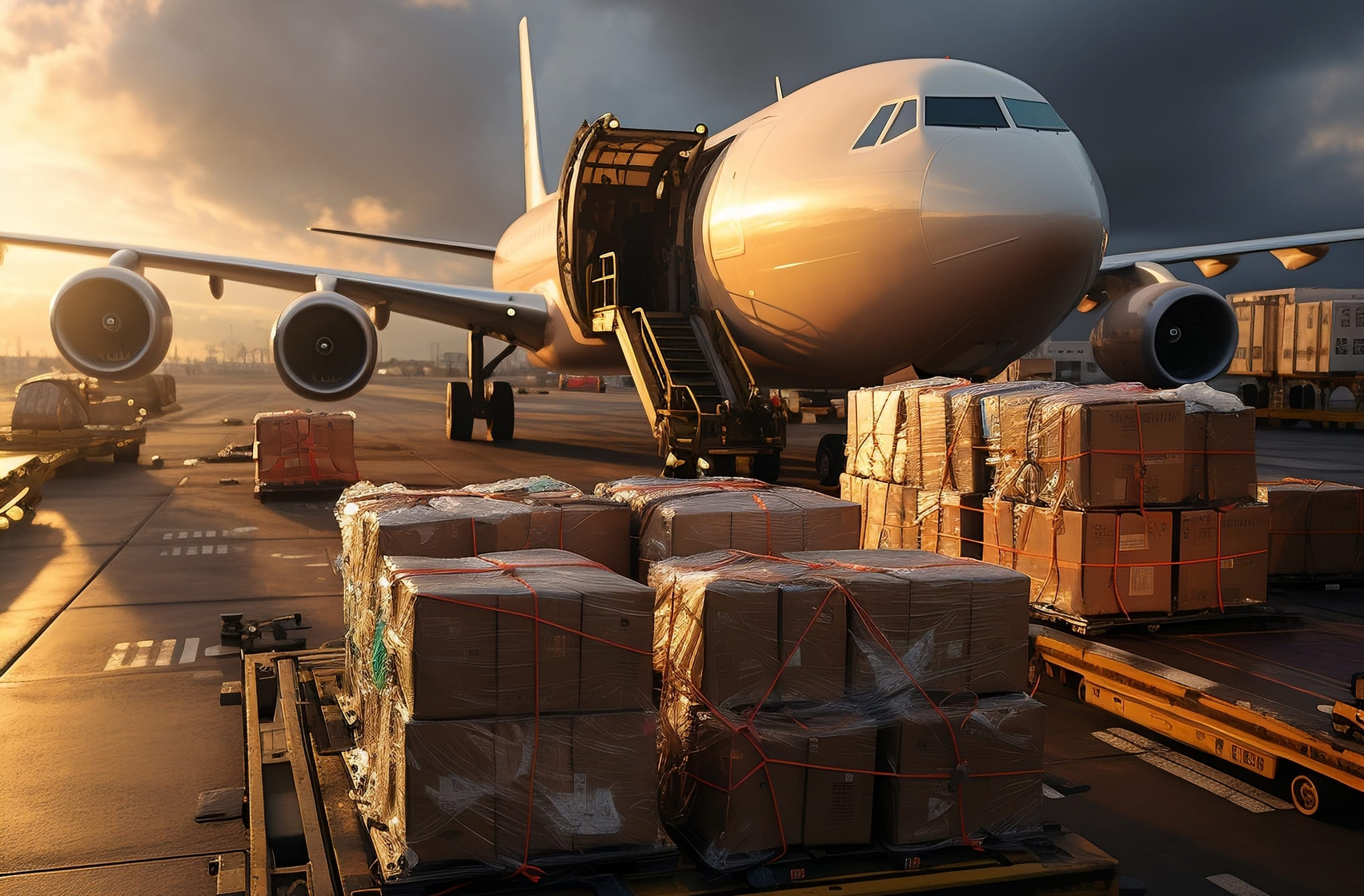
Air freight is the ultimate solution for time-sensitive cargo, offering unparalleled speed and reliability in global transportation. Whether you need to ship products across continents or require urgent deliveries, air freight is the go-to choice for swift and efficient logistics. With dedicated professionals and state-of-the-art facilities, we ensure that your goods reach their destination with precision and speed, making air freight the preferred choice for businesses and individuals alike.
Australia, a vast and geographically isolated continent, relies heavily on efficient transportation and logistics to connect with the global marketplace. In this regard, air freight services in Australia play a pivotal role in facilitating international trade. With its vast network of airports, experienced professionals, and a commitment to precision, Australia has established itself as a vital hub for air cargo transportation. In this article, we will delve into the world of air freight services in Australia, exploring their significance and the various aspects that make them an essential component of global trade.
The Significance of Air Freight Services
Air freight services are a crucial element of modern global trade, enabling the rapid movement of goods across vast distances. Australia, as a country that thrives on international trade, relies on these services to maintain economic growth and competitiveness. The advantages of air freight services include speed, reliability, and the ability to reach destinations worldwide. This mode of transportation is ideal for perishable goods, high-value commodities, and time-sensitive deliveries, making it an indispensable part of Australia’s logistics industry.
Australia boasts a well-developed network of airports and infrastructure that is conducive to efficient air cargo transportation. Major cities such as Sydney, Melbourne, and Brisbane are equipped with world-class international airports, ensuring seamless connectivity with global markets. The country’s geographic location further enhances its position as a strategic player in air freight, as it serves as a vital link between Asia, the Americas, and Europe.
When discussing air freight services in Australia, it’s impossible to overlook the significant contributions of CargoMaster, one of the country’s foremost shipping companies. With a rich history spanning several decades, CargoMaster has established itself as a reliable and innovative force in the logistics industry. The company prides itself on its extensive global network, connecting businesses and individuals to over 150 worldwide destinations. CargoMaster’s comprehensive range of services encompasses air freight, sea freight, and road transport, offering clients a one-stop solution for all their cargo needs. Their dedication to efficiency, security, and personalized customer service has made them a trusted partner for those seeking to transport goods to and from Australia. Whether it’s urgent time-sensitive shipments or large-scale international logistics, CargoMaster’s commitment to excellence makes them a cornerstone of the Australian air freight landscape. With their experienced team and state-of-the-art resources, they exemplify the high standards and reliability that define the air freight industry in Australia.
Experienced Professionals, Precision and Reliability
Air freight services in Australia benefit from a pool of experienced professionals who understand the intricacies of international trade and cargo logistics. These professionals, including cargo handlers, customs brokers, and logistics experts, ensure that goods move swiftly and securely through the transportation process. Their expertise minimizes delays, optimizes routes, and handles customs and regulatory requirements with finesse.
One of the hallmarks of air freight services in Australia is their unwavering commitment to precision and reliability. The industry follows stringent safety standards and quality control measures to guarantee the safe delivery of goods. This commitment to excellence is essential for industries like pharmaceuticals, electronics, and automotive, which rely on the accuracy and timeliness of their shipments.
Sustainability has become a significant consideration in the air freight industry, and Australia is no exception. Air carriers and logistics companies operating in Australia have been actively working to reduce their carbon footprint. Initiatives such as the adoption of fuel-efficient aircraft, improved route optimization, and the use of sustainable packaging materials reflect the industry’s dedication to environmentally responsible practices. The versatility of air freight services in Australia is reflected in their ability to offer customized solutions to meet diverse customer needs. Whether it’s express cargo, charter flights, or specialized handling for sensitive or oversized cargo, Australian air freight services cater to a broad spectrum of industries and their unique requirements.
Air freight services in Australia stand as a testament to the country’s commitment to global trade and its role as a leading player in the international logistics industry. With an extensive network of airports, a workforce of experienced professionals, and a focus on precision and reliability, these services provide a fast lane for goods to travel to and from Australia. As international trade continues to evolve, the significance of air freight services in Australia is bound to grow, reinforcing the nation’s position on the global trade map.
The Importance of Air Freight Logistics: Services in Australia
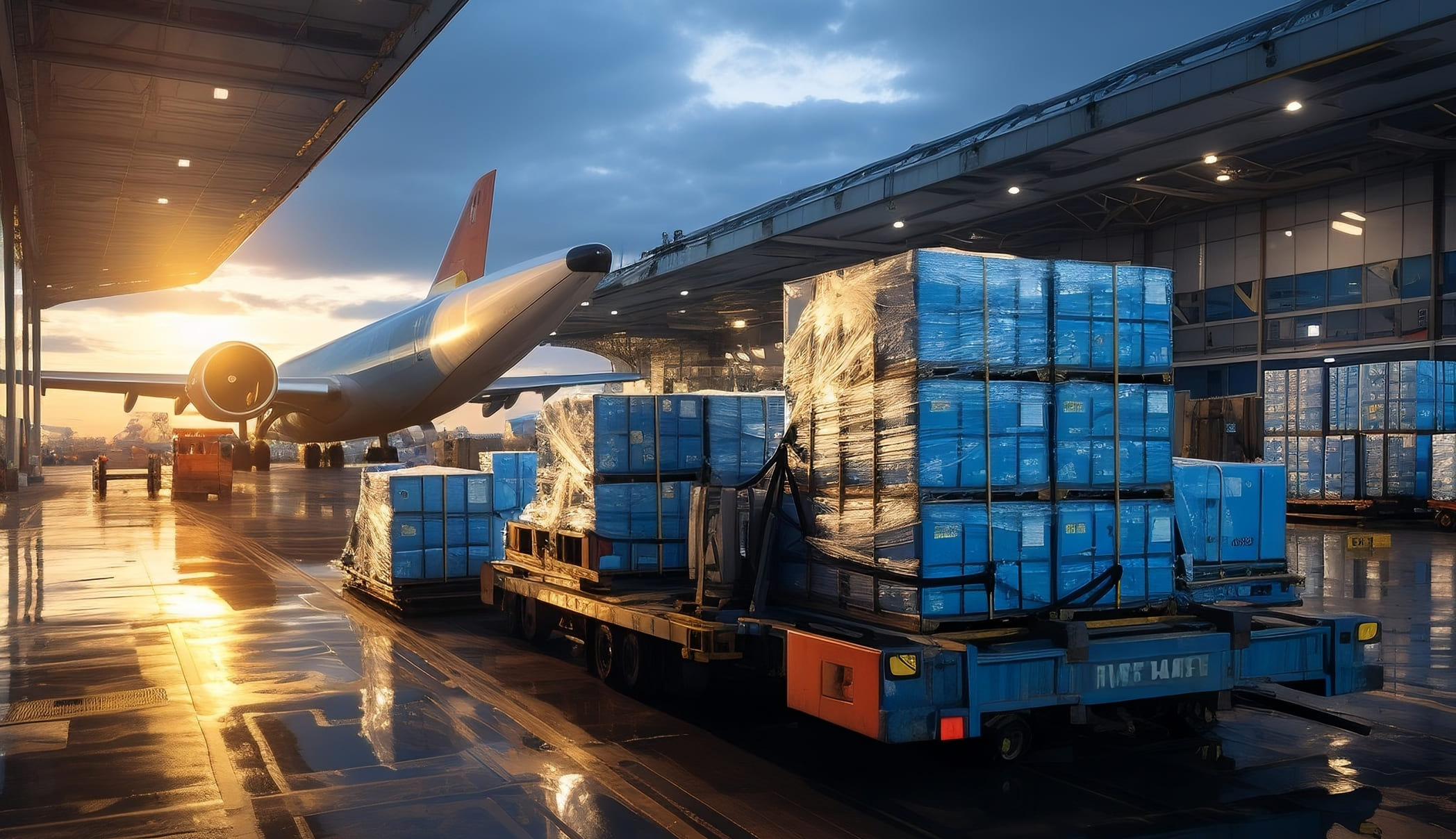
In an increasingly interconnected world, the efficient and reliable movement of goods is crucial for businesses and individuals alike. Air freight logistics play a pivotal role in ensuring the swift and secure transportation of goods, especially for time-sensitive or high-value shipments. In Australia, a vast and geographically diverse country, air freight logistics have become an indispensable part of the supply chain. This article explores the world of air freight logistics services in Australia, highlighting the key players, services, and the seamless solutions they offer to meet the diverse needs of businesses and individuals.
Air freight logistics involve the transportation of goods by air, utilizing a network of airlines, cargo carriers, and specialized logistics companies. It offers several advantages, such as speed, security, and global reach. In Australia, where distances between major cities and international markets can be vast, air freight logistics are essential for ensuring the timely delivery of products, spare parts, and perishable goods.
Key Players in Australian Air Freight Logistics
Australia boasts a competitive air freight logistics industry, with several key players dominating the market. These companies provide a wide range of services, from express courier deliveries to specialized cargo transportation.
Qantas Freight: A subsidiary of Qantas Airways, Qantas Freight is a major player in the Australian air cargo market. They offer a variety of services, including Q-GO Priority, Q-TRANSIT, and Q-CONNECT, catering to the specific needs of different industries.
Toll Group: A globally recognized logistics and transportation company, Toll Group has a strong presence in Australia. Their air freight services encompass both domestic and international deliveries, making them a popular choice for businesses with diverse shipping requirements.
CargoMaster: An emerging player in the Australian air freight logistics industry, CargoMaster offers comprehensive logistics solutions, including air freight services. They specialize in delivering personalized and cost-effective cargo transport options.
DHL Express: DHL is a household name in logistics, and DHL Express is no exception. With a vast network, DHL Express provides express delivery services, connecting Australia to over 220 countries and territories worldwide.
FedEx: FedEx is another international giant that operates in Australia, offering express shipping solutions for both domestic and international needs. They are known for their speed and reliability.
Australia Post: As Australia’s national postal service, Australia Post also provides air freight logistics services. They offer a variety of options for businesses and individuals, making them a trusted choice for many.
Services Offered in Australian Air Freight Logistics
The air freight logistics industry in Australia offers a wide array of services to meet the diverse needs of businesses and individuals. Some of the key services include:
Express Services: Express delivery services are the backbone of air freight logistics. These services ensure swift and reliable transportation for time-sensitive shipments. Whether it’s urgent documents, medical supplies, or e-commerce orders, express services guarantee timely deliveries.
Temperature-Controlled Cargo: The transportation of perishable goods, pharmaceuticals, and other temperature-sensitive items is made easy with specialized temperature-controlled cargo services. These services maintain the required temperature throughout the journey, ensuring the integrity of the cargo.
Dangerous Goods Handling: Some shipments contain hazardous materials that require special handling and compliance with international regulations. Air freight logistics providers in Australia are equipped to safely transport such goods, ensuring the safety of both cargo and personnel.
E-commerce Solutions: With the rise of online shopping, e-commerce logistics have become a vital part of air freight services in Australia. Companies offer tailored solutions for the e-commerce sector, including pick-and-pack services and last-mile delivery.
Customs Clearance: International air freight often involves customs procedures. Logistics companies in Australia provide customs clearance services to facilitate the smooth movement of goods across borders, ensuring compliance with customs regulations.
Charter Services: For large or irregularly shaped cargo that doesn’t fit into standard containers, charter services are available. These services allow for customized solutions to meet unique shipping requirements.
Australian air freight logistics providers focus on delivering a seamless experience to their customers. This includes user-friendly online booking systems, real-time tracking, and responsive customer support. The goal is to make the shipping process as easy as possible for businesses and individuals, ensuring that their goods reach their destinations safely and on time.
Air freight logistics services in Australia play a vital role in the country’s economy and global trade. With a competitive market that includes major players like Qantas Freight, Toll Group, CargoMaster, DHL Express, FedEx, and Australia Post customers have a variety of options to choose from. The wide range of services offered, including express deliveries, temperature-controlled cargo, e-commerce solutions, and customs clearance, ensures that businesses and individuals can meet their unique shipping needs with ease. With a focus on seamless customer experiences, air freight logistics in Australia continue to evolve and thrive, connecting the country to the world and facilitating the movement of goods with efficiency and reliability.
Efficient Logistics and Freight Forwarding in Australia
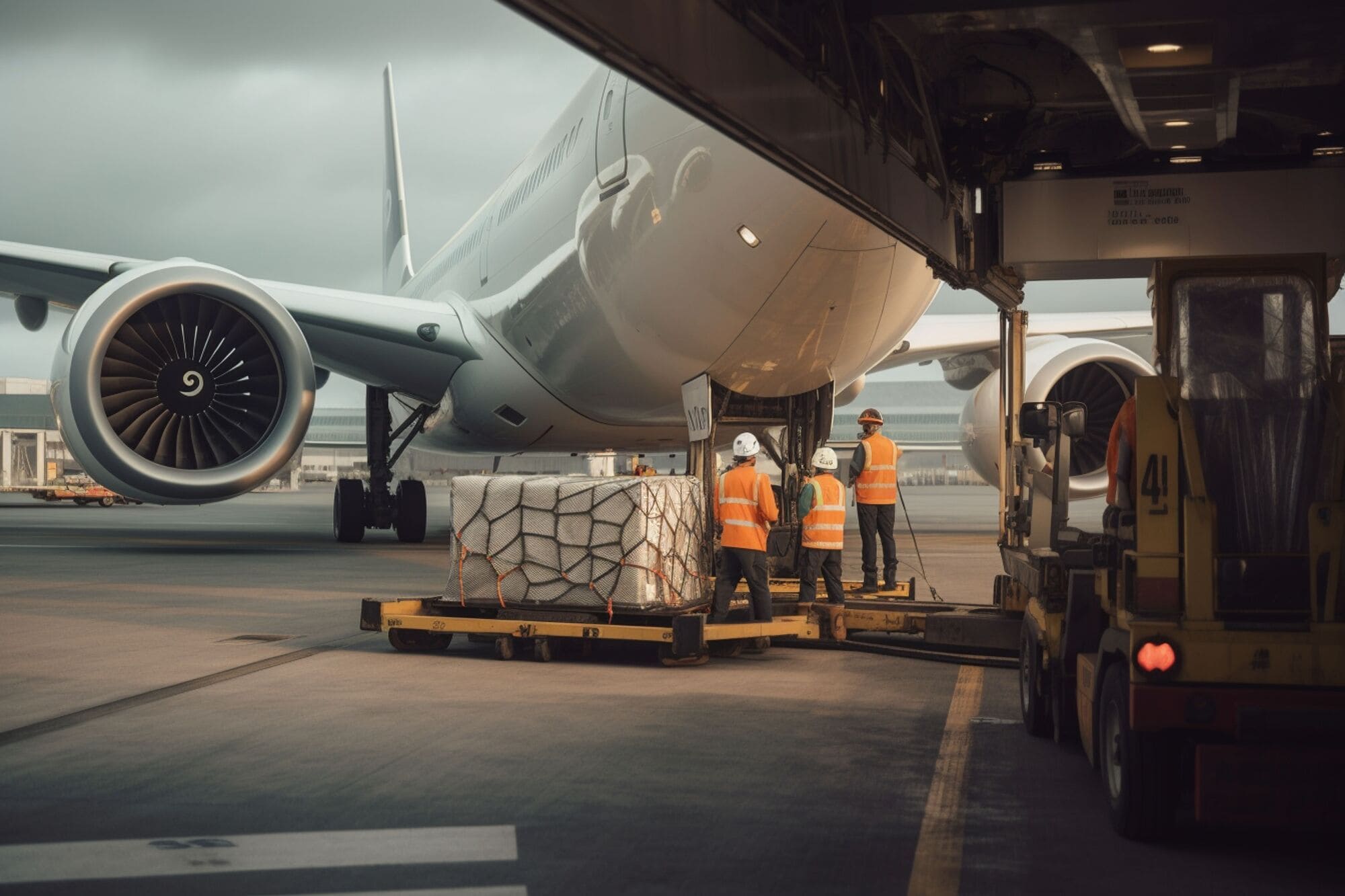
Efficient logistics and freight forwarding play a pivotal role in Australia’s economy. As a vast and geographically diverse country, Australia relies on the seamless movement of goods to support its industries, businesses, and consumers. The ability to transport products efficiently across great distances is crucial for economic growth and competitiveness. In this article, we will delve into the world of logistics and freight forwarding in Australia, exploring the key factors that make it efficient and highlighting the challenges and innovations that are shaping the industry. Logistics involves the planning, execution, and management of the flow of goods, services, and information from the point of origin to the point of consumption. It encompasses various aspects, including transportation, warehousing, inventory management, and order fulfillment. Efficient logistics is essential for several reasons:
Cost Reduction: Efficient logistics practices help reduce transportation costs, minimize inventory holding costs, and streamline operations, resulting in cost savings for businesses.
Customer Satisfaction: Timely delivery of products enhances customer satisfaction, which is critical for retaining and attracting customers.
Competitive Advantage: Companies with efficient logistics can respond quickly to market demands, gaining a competitive edge in their respective industries.
Environmental Impact: Sustainable logistics practices, such as route optimization and eco-friendly transportation options, can help reduce the environmental footprint of the industry.
Key Factors Contributing to Efficient Logistics in Australia
Australia has a well-developed transportation infrastructure, including an extensive network of highways, railways, ports, and airports. The country’s road and rail networks play a pivotal role in ensuring efficient cargo movement. Australian logistics companies leverage cutting-edge technology for inventory management, route optimization, and real-time tracking. This technology ensures transparency and efficiency in supply chain operations.
The logistics sector benefits from a skilled workforce that understands the complexities of the industry. Employees are well-trained in various aspects of logistics, from warehousing to customs clearance. Australia has a well-regulated logistics industry, with clear guidelines for freight forwarding and transportation. This regulatory environment promotes transparency and trust among stakeholders. Streamlined customs clearance processes and efficient border control contribute to the quick movement of goods in and out of the country.
Challenges in the Australian Logistics Industry
Despite its efficiency, the Australian logistics industry faces several challenges:
Remote Locations: Australia’s vast geography means that some regions are remote and less accessible. Logistics companies must overcome the challenges of transporting goods to these areas efficiently.
Seasonal Variability: Seasonal fluctuations in demand can strain logistics networks. For example, the Christmas holiday season often results in increased freight movement, requiring careful planning and coordination.
Infrastructure Maintenance: While Australia has a robust infrastructure, the maintenance and expansion of transport networks is an ongoing challenge to accommodate the growing demands of the industry.
Environmental Concerns: The environmental impact of the logistics sector, including emissions from transportation, is a growing concern. Businesses are increasingly adopting eco-friendly practices to mitigate these issues.
Innovations in Australian Logistics
To address these challenges and maintain efficiency, the Australian logistics industry is embracing several innovative practices and technologies:
IoT and Tracking Solutions: Internet of Things (IoT) technology enables real-time tracking of shipments, ensuring visibility and transparency throughout the supply chain.
Automation and Robotics: Automation in warehouses and distribution centers has improved order fulfillment and reduced labor costs.
Drones and Autonomous Vehicles: Some logistics companies are exploring the use of drones and autonomous vehicles for last-mile delivery, especially in remote areas.
Sustainable Practices: Companies are adopting sustainable practices such as using electric vehicles, optimizing routes for fuel efficiency, and reducing packaging waste.
Efficient logistics and freight forwarding are vital components of Australia’s economy. With a robust infrastructure, advanced technology adoption, and a skilled workforce, the country’s logistics industry continues to drive economic growth and competitiveness. Despite challenges, innovative solutions are emerging to ensure that Australia’s logistics sector remains efficient, sustainable, and responsive to the ever-evolving demands of a modern economy. As the industry continues to evolve, it will play a central role in shaping the future of Australia’s economic landscape.
Related Articles
Trust us for secure air freight solutions
Whether you’re a business or an individual, our air freight services ensure your goods reach their destination promptly. Contact us now for seamless air freight solutions.